Navigating the ins and outs of sourcing food ingredients in the UK can be quite the endeavour. The UK’s food industry is a dynamic and ever-evolving beast, shaped by a multitude of factors such as regional climates, local agriculture strength, and the shifting tides of international trade. In this section, I’ll peel back the layers to give you a concise understanding of the UK’s ingredient sourcing landscape.
First off, geographic location plays a vital role. The varied climate across the UK serves up a diverse menu of ingredients, each with their peak seasons to consider. Whether it’s the rosy apples from Kent or the fresh salmon from Scotland, aligning your sourcing strategy with the natural growing and rearing cycles can yield fresher, tastier ingredients.
Beyond mere geography, the array of local and international suppliers asserts significant influence. Securing a steady flow of ingredients often means reaching out beyond borders, making relationships with global suppliers a key ingredient in your business recipe. Yet, there’s a growing trend towards localism, driven by consumer demand for locally sourced and produced foods.
Understanding this marketplace is just the beginning. As we pivot to the next section, keep in mind that the quality of your ingredients is directly linked to the integrity of your final product. Achieving this quality is not by chance; it is by setting high standards for sustainability and quality control, which I will discuss next.
Setting Standards for Quality and Sustainability
In my experience, quality control isn’t just about ensuring products meet certain standards; it’s about creating trust with your customers and committing to excellence. In the UK, where consumers are increasingly conscious of what they eat, it’s imperative to source ingredients that are not only high in quality, but also harvested sustainably.
Consider this: when you prioritise quality, you’re ensuring that the products you offer are safe, flavourful, and consistent. To achieve this, clear standards must be established. Start by setting stringent specifications for the ingredients you seek. These might include size, color, nutritional content, and the absence of pesticides or contaminants. Regular audits and inspections should be par for the course to maintain these standards.
Sustainable sourcing is gaining traction as a pillar of quality. It represents a commitment to the environment and to future generations. It also pays back in customer loyalty and brand reputation. Initiatives such as reducing carbon footprint, minimising waste, and supporting fair trade practices are not only ethical but can also be economically beneficial in the long run. For instance, sourcing from local UK farmers whenever possible reduces transportation emissions and supports the local economy.
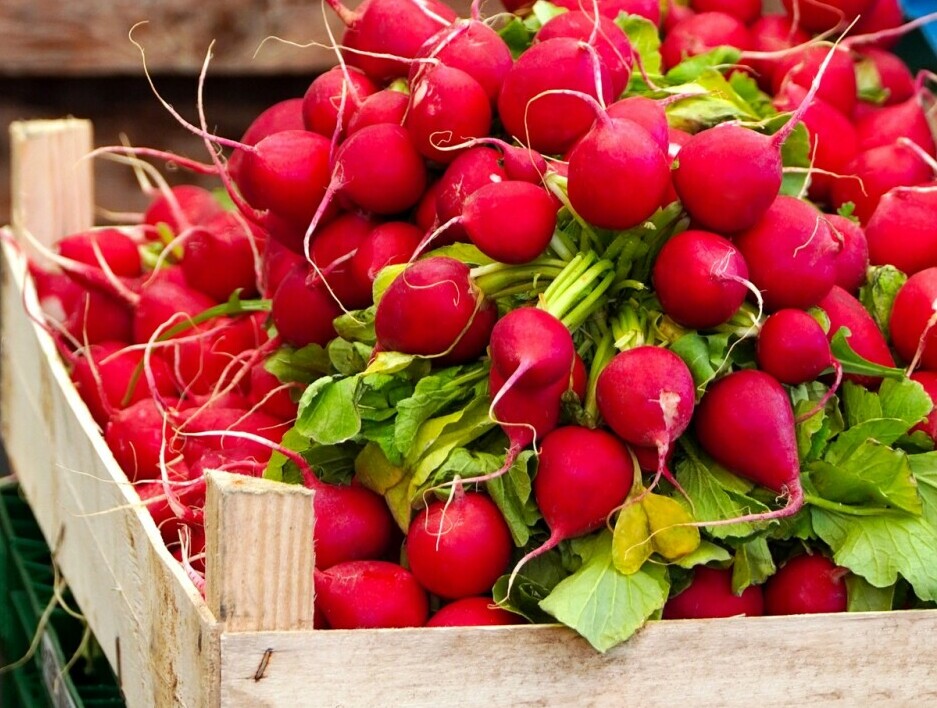
The concept of traceability is crucial, and looking for suppliers who provide transparent information about their sourcing can help ensure you’re on the right track. Certifications like Red Tractor, Marine Stewardship Council, or Organic Food Federation offer consumers peace of mind and are valuable indicators of sustainable and ethical practices. Always remember that these certifications are not just badges to adorn your packaging; they’re a promise of your commitment to responsible sourcing.
Building Relationships with Trustworthy Suppliers
Effective sourcing for food ingredients isn’t just a one-time endeavour; it’s about nurturing enduring connections with suppliers that fit your business needs. I emphasise lasting relationships because they go a long way in ensuring steady quality and pricing.
I approach identifying reliable suppliers with a meticulous process. Instead of picking the first option on a search engine result, I delve into supplier histories, seeking out those with a track record of consistent quality and service. Reading reviews, asking for samples, and engaging in industry forums can unearth invaluable insights.
Beyond initial impressions, securing favourable terms often requires an ongoing partnership. When suppliers recognise you’re in it for the long haul, they’re more inclined to negotiate on pricing and offer better quality assurance. It’s the classic win-win scenario.
Trust is my watchword when it comes to verifying supplier credibility. Are they transparent about their sourcing? Can they provide detailed product information and fullfil audit requests? Verifiable suppliers won’t shy away from scrutiny; instead, they welcome it.
Once these trustworthy ties are formed, make sure to set clear communication channels. This ensures that any snags in the supply chain can be caught and addressed promptly, with both parties working toward a resolution.
Navigating Legal and Ethical Considerations
Compliance with UK food safety regulations is not just a legal mandate; it’s a cornerstone of trust with your consumers. Food safety is paramount, and understanding the framework set out by agencies like the Food Standards Agency (FSA) is my first step in ensuring that ingredients meet the highest safety standards.
Ethical sourcing is about more than just compliance; it’s about values. I take a closer look at labor practices, environmental impact, and animal welfare when sourcing. These factors play a significant role in the purchasing decisions of many consumers, so aligning with ethical practices improves brand integrity.

It’s also essential to navigate the specifics of import and export laws if sourcing ingredients from abroad. This includes being aware of any tariffs, trade agreements, and Brexit-induced changes that may affect the procurement process.
I address potential legal pitfalls by maintaining meticulous documentation for all sourced ingredients. From their country of origin to their handling and treatment, traceability is key. By doing so, I can assure consumers of the authenticity and ethical provenance of the food they consume.
Leveraging Technology to Enhance Food Ingredient Sourcing in the UK
In an era where efficiency is paramount, technology plays a critical role in transforming how businesses source food ingredients. Embracing the latest technological solutions is not just a luxury, it’s a necessity for staying competitive in the UK’s dynamic food industry.
From farm to fork, innovative tools and software are being employed to enhance traceability, reduce waste, improve supply chain management, and ensure the authenticity of food ingredients. They’re also instrumental in gathering and analysing data to predict market trends, which is essential for making informed purchasing decisions.
Digital platforms and marketplaces offer a streamlined approach to connect buyers with suppliers, often providing detailed information about the provenance and quality of their products. Moreover, blockchain technology is emerging as a powerful means to create an immutable record of food products’ journey, reinforcing the trust between producers, suppliers, and customers.
In this technological landscape, case studies of successful tech integration in sourcing are numerous. For example, companies utilising smart sensors and AI to track and maintain the quality of perishable goods during transport have seen a notable decrease in spoilage rates. Similarly, businesses using predictive analytics for market demand have been able to optimise their stock levels, preventing both overstocking and stock-outs.

To conclude, harnessing technology is not optional but a KEY STRATEGY for any business looking to source food ingredients effectively in the UK. The food industry is fast-paced, and those who apply technological innovations to their sourcing processes will find themselves at an advantage, capable of offering superior product quality and reliability to their customers.